Property Search · The Villages, FL

Open Houses in The Villages, FL
Current open houses across The Villages, plus how they work here, what to bring, what to ask, and whether you want your own agent standing next to you.
Quick Answer
How do open houses work in The Villages?
An open house is a set window when a home for sale is unlocked and staffed. Anyone can walk through. You do not need an appointment and you do not need to request a showing. You park, you go in, you look.
One thing here makes it easier than most of Florida. Most villages in The Villages are open. There is no gate, no guard house, and no pass to arrange. A few villages are gated, so check the listing before you drive out. Most of the nearby 55+ alternatives are gated too, and some have a staffed entrance, which means calling ahead. For most homes here you can point a car or a golf cart at the address and go.
An open house is good for the walk-through: the layout, the light, the ceiling height, the noise, how far the lanai really sits from the next house. It is not good for the numbers. The person hosting works for the seller. Get the bond, the tax figure, the roof age, and the assessments in writing, from the source, before you make an offer.
Before you walk in
| Appointment | Not needed. Open to anyone during the posted hours. |
|---|---|
| Gate pass | Not needed in most villages, which are open. A few villages are gated — check the listing. |
| Getting there | Car or golf cart. The cart paths reach nearly every village. |
| Who is hosting | An agent hired by the seller. They work for the seller unless they say otherwise. |
| Bring | Your phone, your agent name and number, and a written list. |
| Verify separately | Bond balance, county and tax figure, roof and HVAC age, the assessment lines on the tax bill. |
Active Listings
Full MLS Search →
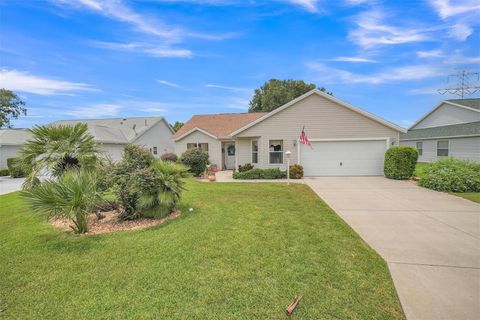
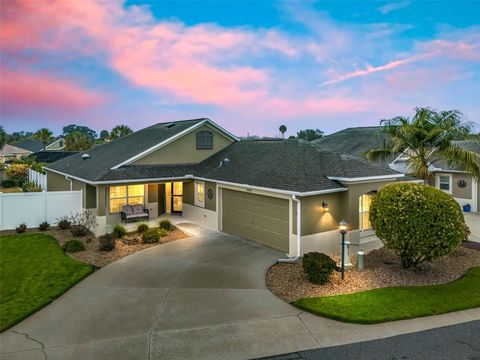
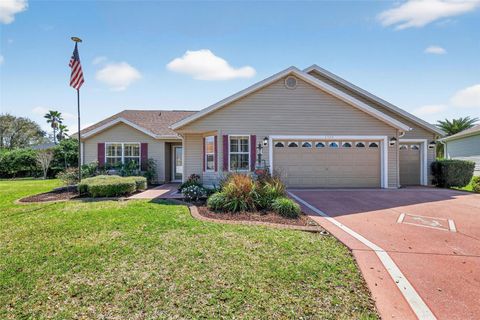
Open houses in The Villages
Scheduled open houses pulled from the MLS feed and updated automatically. The list changes as agents post and close out their schedules, so check back rather than saving a copy.


I'll send you new listings
Pick a village and leave your email. When a home comes up for sale there, I'll send it to you. These are not automated alerts. I pick the homes and send them myself, so you can reply to any email with a question. There's no charge, and you can stop any time.
Your request is in.
When a home comes up in that village, I'll email it to you. If you want to talk a village through before you tour it, call or text me at 352-780-1479.
How an open house works in The Villages
The seller agent picks a window and staffs the home. During that window the door is unlocked and anyone can come through. You are not committing to anything by walking in, and you are not obligated to the agent standing in the kitchen.
The open part matters more than buyers expect. At most Florida 55+ communities, including most of the nearby 55+ alternatives, you are stopped at a gate. In most of The Villages you are not. You can see four homes in an afternoon without arranging anything. You can also drive the streets around a home before you ever go inside. Do that. Look at the neighbors. Look at how close the next lanai sits. Drive it at the hour you would actually be home.
Take a golf cart if you have one. It is the honest way to test a village, because it is how you will get around once you live here. A home that feels close to a town square in a car can feel a long way off in a cart. The golf cart guide covers what does and does not connect.
What an open house can and cannot tell you
It can tell you how the house feels. Ceiling height, natural light, where the sun lands in the afternoon, whether the primary bedroom shares a wall with the neighbor garage, how loud the road is with the windows open. None of that survives a listing photo. That is why the visit is worth the trip.
It cannot tell you what the home costs to own. There are five recurring costs here. Property tax, the CDD bond, the CDD maintenance assessment, a fire assessment, and the monthly amenity fee. Only the amenity fee is close to the same everywhere, at about $204 a month for new buyers as of early 2026. The other four depend on the address, and two of them change the moment the home changes hands. The cost of living guide takes them one at a time.
Come Prepared
What to bring, and what to ask while you are standing there
Bring your phone, your agent name and number, and a written list. The list is the part people skip. You will see three homes, they will blur together, and by dinner you will not remember which one had the newer roof.
Ask what the bond is
The bond is a loan for the roads and pipes in your section. You pay it back on the tax bill each year. It belongs to the property, not to the seller, so it comes with the home unless it is paid off at closing. Ask what the annual amount is and what the payoff balance is. Then verify it by address at districtgov.org rather than taking the answer at the door. The bond guide explains what the number means.
Ask the age of the roof and the air conditioning
In Florida the roof drives the insurance quote more than the square footage does. There is no universal twenty-year cutoff. But carriers price and inspect on roof age, and a roof fifteen years or older brings an inspection into the conversation. Ask for the installation date in writing. Ask the same about the air conditioning. Then get an insurance quote before your inspection period ends, not after.
Ask which county the home is in
The Villages sits in three counties and they do not tax alike. A new buyer in unincorporated Sumter County can expect about 1.0% of purchase price. In Marion County it is about 1.53%. In Lake County it is about 1.6%. The ZIP code does not answer this. One ZIP can cover two counties. Ask, then confirm with the county property appraiser for that exact address. You can run the figure yourself on the property tax calculator.
Ask to see the whole tax bill, not the total
The bill has two halves. The ad valorem half is the tax on value. The non-ad valorem half is a stack of flat charges: the bond, the CDD maintenance assessment, and a fire assessment. Buyers read the total and stop. Read the lines instead. And remember the ad valorem half is going to change. Florida reassesses at market value after a sale, so the seller number is not your number. Budget from your purchase price.
Ask what you are allowed to change
The Villages has no HOA, and buyers hear that as no rules. It is not. Deed restrictions govern how the property can be used, and exterior changes go through an architectural review application. That covers pools, screen enclosures, fences, arbors, painted driveways, paint colors, and additions. The rules vary by unit. If you are planning to change something, ask which declaration the home falls under and read it before you offer.
Ask what actually conveys
Furnished sales are common here, and furnished means different things to different sellers. Ask what stays. The furniture, the golf cart, the washer and dryer, the wall-mounted television, the lanai furniture, the garage refrigerator. Get the list into the contract. A verbal yes in a kitchen full of strangers is not a list.
Do you need an agent with you?
Not to walk through the door. Anyone can attend an open house. But understand who is in the room with you.
The agent hosting was hired by the seller. They work for the seller unless they tell you otherwise. That does not make them dishonest. It makes them the other side of your transaction. Anything you say in that kitchen is information about you, given to someone whose job is to get the seller the best price. How much you love the lanai. What you are approved for. How fast you need to move.
If you already have an agent, say so at the door and put their name on the sign-in sheet. It is normal, it is expected, and it ends the follow-up calls. If you do not have one yet, you can still look. Just keep your budget and your timeline to yourself until you do.
The walk-through is not where a buyer agent earns their keep. The hour afterward is. Pulling the bond schedule for that specific unit. Checking the parcel record for the county and the tax district. Looking at what similar homes actually sold for rather than what they listed for. Telling you the unflattering part. I do that for buyers whether the home was one of mine or someone else listing.
If you are still narrowing down where to look, work that out before you spend Saturdays driving. Start with the which-area guide, then the village directory. Seeing three homes in the right village beats seeing ten scattered across forty square miles.
And if you want me to meet you at one, I will. Send me the address.
FAQ
Open houses in The Villages, FL: common questions
No. An open house is open to anyone during its posted hours. You do not need an appointment. Most villages here are open, with no gate and no pass to arrange, so you can drive or take a golf cart straight to the home. A few villages are gated — if the listing is in one, ask the host how to get in before you go.
You do not need one to walk through. It helps to have one. The agent hosting the open house was hired by the seller and works for the seller unless they tell you otherwise. If you already have an agent, say so at the door.
Your phone for photos and notes, your agent name and number, and a written list of what you want to check. If you plan to see several homes in one afternoon, bring water. Some of these homes are a long way apart, even by cart.
Ask what the bond balance is, how old the roof and the air conditioning are, which county the home is in, and what the tax bill totals on both halves. Ask what conveys with the home. Get every answer in writing before you make an offer.
No. Florida reassesses a home at market value after it sells. The seller may have owned it for years under a capped assessment. Budget from your purchase price, not from the bill on the kitchen counter.
Yes, and most residents do. The cart path network reaches nearly every village. If you are visiting from out of town and do not have a cart yet, you can drive. Every home here is reachable by car as well.
That is your call. The hosting agent uses it to follow up. If you already have an agent, write their name on the sheet so the follow-up goes to them instead of turning into a sales call.
Want me to meet you at one?
Send me the address. I will pull the bond schedule and the parcel record before we walk in, so you get the numbers on the same trip as the house.